dedicated legal services from southern new hampshire estate planning lawyer
Trusted Estate Planning Lawyer: Protect Your Legacy and Protect Your Loved Ones
Estate planning represents a vital undertaking that guarantees your intentions are respected and your family are protected. A trustworthy estate planning lawyer functions as an crucial component in navigating this complex landscape. They aid communicate your preferences through significant legal documents, decreasing possible conflicts. Understanding the subtleties of estate planning can feel overwhelming. Yet, recognizing the impact of a knowledgeable lawyer can be the deciding factor in securing your legacy. What should you consider next?
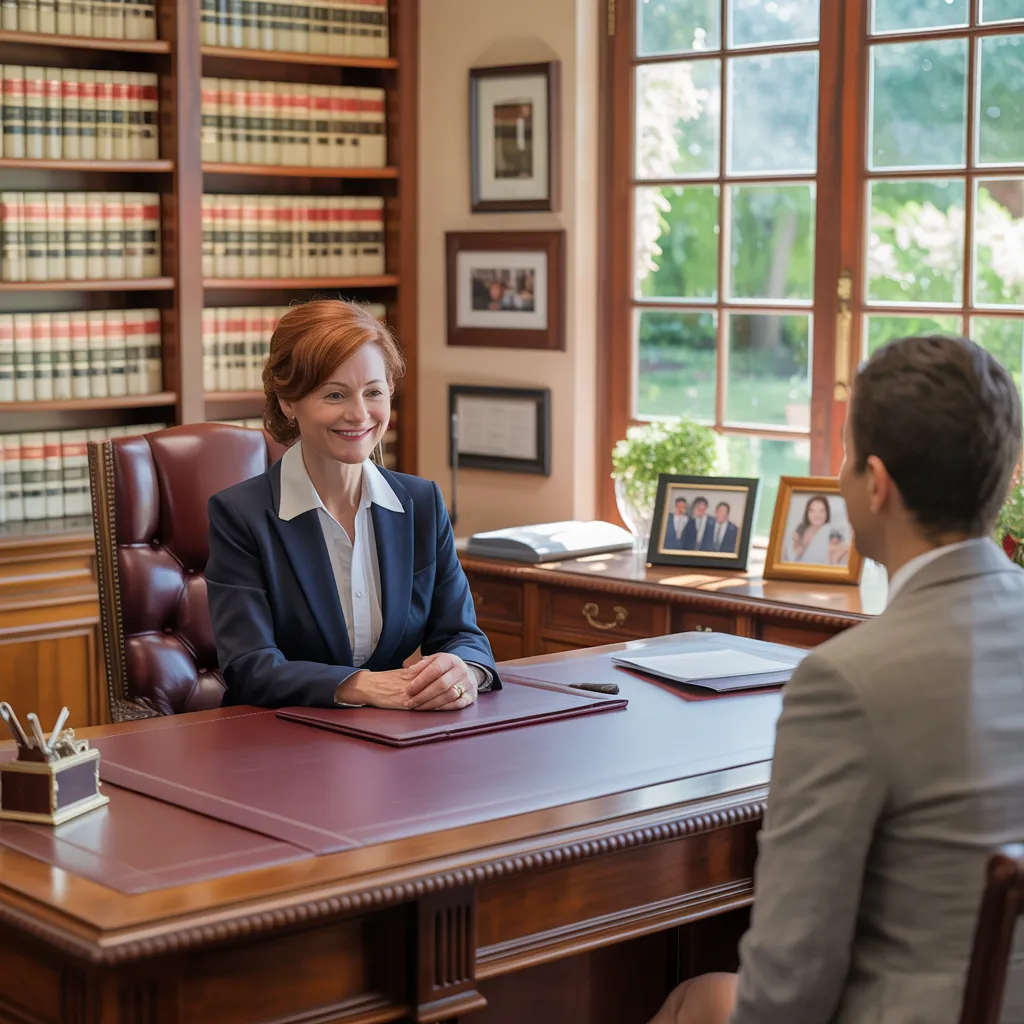
What Is Estate Planning and Why Is It Critical?
Estate planning constitutes the procedure of arranging an person's assets and wishes to guarantee a smooth transition after their death. This essential process assures that one's estate is distributed according to personal desires, minimizing potential disputes among heirs. By outlining specific instructions, individuals can appoint beneficiaries, create trusts, and name guardians for dependents, thereby providing clarity and security for loved ones.
The importance of estate planning is paramount. It not only facilitates the orderly distribution of assets but also helps minimize taxes and legal fees, ultimately safeguarding assets for coming generations. Additionally, it allows individuals to make important medical directives in beforehand, safeguarding their interests in case of disability. Overall, proper estate planning acts as a protective mechanism, ensuring that an person's legacy is respected while alleviating the financial and emotional burden on family members during a difficult period.
How Estate Planning Lawyers Specifically Improve Your Plan
Navigating the challenges of estate planning can be daunting, and this is where estate planning attorneys play a pivotal role. They bring specialized knowledge that helps individuals navigate legal complexities, ensuring that their intentions are accurately reflected in their plans. By evaluating particular situations, these professionals provide tailored advice, identifying potential pitfalls that clients may overlook.
Estate planning attorneys also help develop comprehensive plans for wealth allocation, minimizing tax liabilities, and protecting bequests for beneficiaries. Their expertise includes maintaining adherence with state and federal laws, which can differ significantly. In addition, they promote transparent dialogue among family members, working to avoid disputes and misunderstandings in the future. Ultimately, the involvement of an estate planning lawyer improves transparency, protection, and tranquility, allowing clients to focus on what truly matters—safeguarding their inheritance and loved ones.
Critical Documents for Your Estate Plan
An well-designed wealth plan is built on several key instruments that explain an person's intentions pertaining to their belongings and support. Fundamental to this system are the trust and will, which function as distinct yet complementary functions in making certain correct handling and distribution of assets. Grasping the importance of these documents is vital for anyone wanting to safeguard their estate and care for their family.
Essential Estate Planning Records
Handling the details of estate planning requires a profound grasp of the main documents that constitute the backbone of a thorough plan. Central to these are the will, which details the allocation of assets, and the durable power of attorney, which appoints an agent to make financial decisions if the individual is incapacitated. A healthcare proxy is equally vital, allowing another person to make medical decisions for the individual. Furthermore, a living will delivers instructions related to end-of-life care. Trusts, whether revocable or irrevocable, function to manage and protect assets both during life and beyond. Every document plays a crucial role in ensuring that wishes are carried out and loved ones are protected, building a detailed estate plan.
Why Will And Fiduciary Arrangement Are Important
While many people may overlook the significance of a well-crafted will and trust, these instruments are essential for effective estate planning. A will specifies how property should be distributed upon one's death, ensuring that individual preferences are respected and reducing potential disputes among heirs. Conversely, a trust can offer greater control over property oversight and distribution, often bypassing the protracted probate process. Trusts can also protect assets from creditors and reduce estate taxes, making them a advantageous choice for many families. Together, wills and trusts create a broad framework that safeguards an individual's legacy, secures financial stability for family members, and simplifies the transfer of assets. As a result, consulting with an estate planning lawyer is important for correct document preparation.
Top 5 Falsehoods About Estate Planning Revealed
What misconceptions surround estate planning? Many people believe it is only for the prosperous, but estate planning is vital for anyone with valuables or dependents. Another myth is that estate planning is a singular task; in reality, it demands ongoing updates to reflect life changes. Some individuals think that creating a will is adequate, while a comprehensive plan often includes trusts and healthcare directives. A frequent belief is that estate planning is too intricate and demanding, but with the right guidance, it can be uncomplicated and efficient. Finally, many assume that estate planning is merely about moving assets assets; full details however, it also covers making critical decisions about healthcare and guardianship. Debunking these myths can empower individuals to take proactive steps in securing their legacies and looking after their loved ones.
Estate Planning for Reducing Taxes
Effective asset succession planning demands methods to curtail taxes, ensuring that more assets are retained for beneficiaries. Tax-efficient trust structures, along with gift tax strategies and charitable giving benefits, play a critical role in this process. Recognizing these elements can greatly enhance the overall potency of an estate plan.
Tax-Advantaged Trust Models
Tax-efficient trust structures are essential tools in estate planning, enabling individuals to minimize their tax liabilities while protecting wealth for future generations. Multiple types of trusts, such as irrevocable life insurance trusts and charitable remainder trusts, provide distinct advantages. Irrevocable trusts can remove assets from the estate subject to taxation, thereby decreasing estate taxes. Charitable remainder trusts not only provide income to beneficiaries but also enable charitable deductions, further decreasing tax burdens. Additionally, utilizing generation-skipping trusts can effectively convey wealth across several generational levels while reducing gift and estate taxes. By carefully selecting and establishing these trust arrangements, individuals can ensure their inheritances are protected and their financial goals are achieved with minimal tax implications.
Gift Tax Techniques
Estate planning includes gift tax strategies that play a vital role in minimizing overall tax liabilities. Through using annual gift tax exclusions, individuals can transfer a fixed amount to recipients without paying taxes, effectively lowering their taxable estate. Plus, lifetime gift tax exemptions permit increased transfers, which can be effectively deployed to benefit heirs while minimizing tax consequences. Comprehending the nuances of these exemptions is important; for example, gifts directly paid for tuition or medical expenses are usually excluded from taxable amounts. Also, gifting appreciated assets can help avoid capital gains taxes, further increasing financial benefits. Initiating these strategies requires thoughtful planning, guaranteeing compliance with IRS regulations while maximizing benefits for loved ones.
Philanthropy Donating Gains
Charitable donation can markedly boost an estate planning tactic by providing both philanthropic and tax advantages. By assigning assets to qualified charities, individuals can lower their taxable estate, resulting in reduced estate taxes. This method also enables the option of income tax deductions, thus overall tax liabilities. Moreover, charitable contributions can establish a lasting legacy, reflecting personal values and backing causes that matter to the donor. Setting up a charitable remainder trust can offer income during one's lifetime, with the remainder going to the designated charity after death. Ultimately, weaving charitable giving into estate planning not only helps tax reduction but also cultivates a sense of purpose and fulfillment, ensuring that one’s legacy impacts future generations.
Estate Arrangement: Healthcare Directives and Authorities of Counsel
How can people ensure their medical wishes are honored when they can no longer express themselves? The answer lies in creating medical directives and powers of attorney. Medical directives, commonly known as living wills, allow people to outline their medical treatment preferences in advance. These documents guarantee that medical professionals follow the person's preferences regarding life-sustaining treatments and interventions.
In conjunction with healthcare directives, a durable power of attorney for healthcare designates a trusted individual to determine choices on behalf of the patient when they are unable to do so. This appointed agent can champion the patient's healthcare preferences, ensuring their values and desires are respected. By proactively creating these legal documents, individuals not only safeguard their healthcare choices but also reduce potential burdens on family members, offering peace of mind during challenging times. Ultimately, these tools are vital elements of thorough estate planning.
Finding the Right Estate Planning Lawyer: What to Look For
Identifying the right estate planning lawyer is a vital step in ensuring that medical directives and legal authorizations are established properly. Individuals must find a lawyer who possesses specialized experience in property planning, since this area of law demands particular expertise. Suggestions from reliable references can prove priceless, offering insights into a attorney's standing and competence.
It is crucial to evaluate the attorney's way of communicating and willingness to listen to what clients require. Transparency regarding fees and services is also essential; understanding costs in advance can prevent future misunderstandings. Furthermore, verifying credentials and professional affiliations can offer reassurance of a lawyer's knowledge.
Ultimately, a strong estate strategy lawyer should convey empathy and a genuine commitment to defending your legacies and family. Allocating the energy to find the suitable attorney can ultimately result in a well-structured estate plan that corresponds to individual goals and preferences.
Frequently Questioned Topics
How Many Times Should I Change My Estate Plan?
An estate plan should be updated every 3-5 years or after significant life changes, such as getting married, divorce, or the arrival of a newborn, ensuring it represents current wishes and situations.
Can I manage Estate Planning without a Lawyer?
Yes, one can tackle estate planning without a solicitor, but it may lead to setbacks. DIY approaches necessitate comprehensive grasp of laws and required forms to make certain objectives are accomplished and potential disputes are minimized.
What Transpires if I Die Without a Will?
Should a person pass away without a testament, their assets are distributed according to state succession statutes. This frequently results in unintended beneficiaries, potential family disputes, and a time-consuming probate proceedings that might have been prevented.
Should Digital Assets Be Part of in Your Legacy Planning?
Digital assets are certainly included in estate planning. This encompasses cryptocurrencies, social media accounts, and online storage. Properly addressing these assets ensures they are administered and passed on according to the person's wishes after their passing.
What should you expect to pay for legacy planning on average?
Estate planning costs typically vary from $500 to $3,000, depending on complexity and location. Factors such as types of assets, family size, and specific legal needs influence the ultimate cost for extensive services.